Following my art tutorial with Hannah last week, I have done some more research and exploration into participatory art. I have researched the philosophy behind the art, and I have come to learn that participatory art can be categorised into three categories.
1) Artist led
Involving participants in the art making process, where the artist creates a response to the work that has been created by the participants. For example, refer to my earlier post - 'The Art of Participation 1950-Now'. Within this type of participatory art there are certain ethical issues to take into consideration. For example, who does the work belong to? The participants, the artist or both? Also, does the artists intention potentially dictate and control the response of the participants, or does it provide scope for flexibility and the freedom of expression and opportunity?
This is a photograph of the pack of materials that I am currently distributing. My aim is to encourage participation in response to the word 'identity'. The pack does contain some guidance on the proposed task. However, participants do have the opportunity to interpret the task (in terms of materials) and indeed the word 'identity' in which ever way they wish to.
2) Engaging communities to facilitate art (art as an enabler to advocate change)
Using art as a vehicle to: change perceptions and 'open eyes' to explore and address a particular concept, theme/issue, allowing communities to take ownership of the art they produce, and recognise and appreciate the art which is made is as credible as those pieces which have been created and exhibited by contemporary artists. For example projects involving organisations such as Friction Arts. On their website they state:
"Friction Arts have been making ‘art where you live’ for over 16 years. Friction listen to people, work with them and then translate their thoughts and ideas into high quality contemporary artworks which communicate to the wider world whilst remaining true to the voices of the people they originate with. These artworks may be performances, installations, interventions, publications or whatever is appropriate to the context of the project Friction firmly believe in the transformative nature of the arts, with communities and individuals, and are committed to expanding the reach of the arts into places they have not been before.
Friction have a unique ability to engage with people, particularly those who may not have engaged with the arts before and are able to immerse themselves in a situation, in order to take those they work with on a challenging journey. We are driven by our ethics and our belief in social justice, real equality and that by working together we can all have a better quality of life, whatever our material circumstances."
The following images have also been taken from the Friction Arts website. They relate to the '1 mile squared project'. Citizens of Johannesburg in South Africa were involved in creating, developing, and exhibiting an art project which ‘mapped’ and celebrated the city's cultural, aesthetic, and bio-diversity.
3) Art that is interactive
For example, The Public. Visitors are able to actually activate the art itself within a range of different contexts. Art can be created as a result of the advancements in technology. Everywhere you go within the gallery, there is something for visitors to participate and interact with.
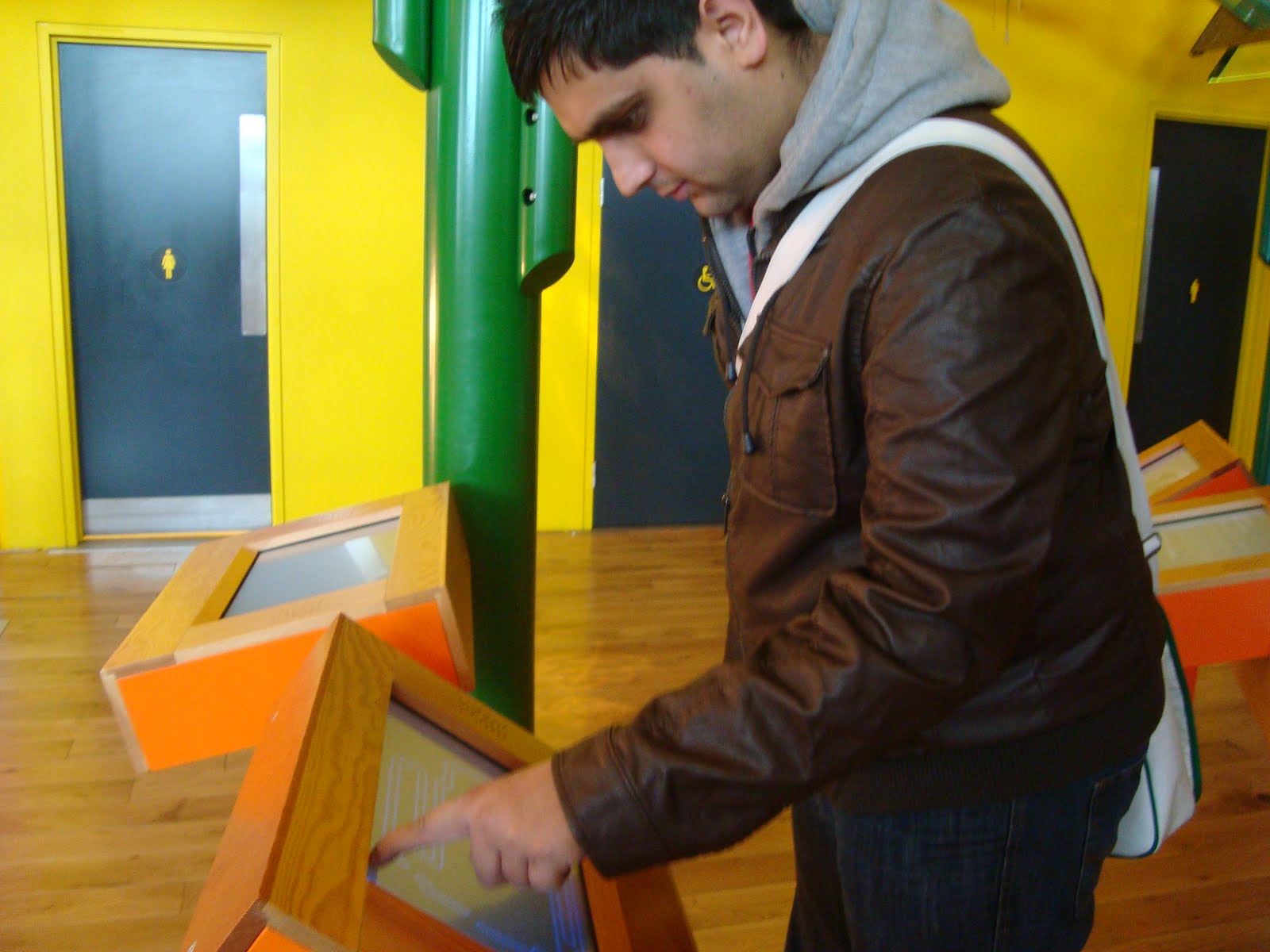
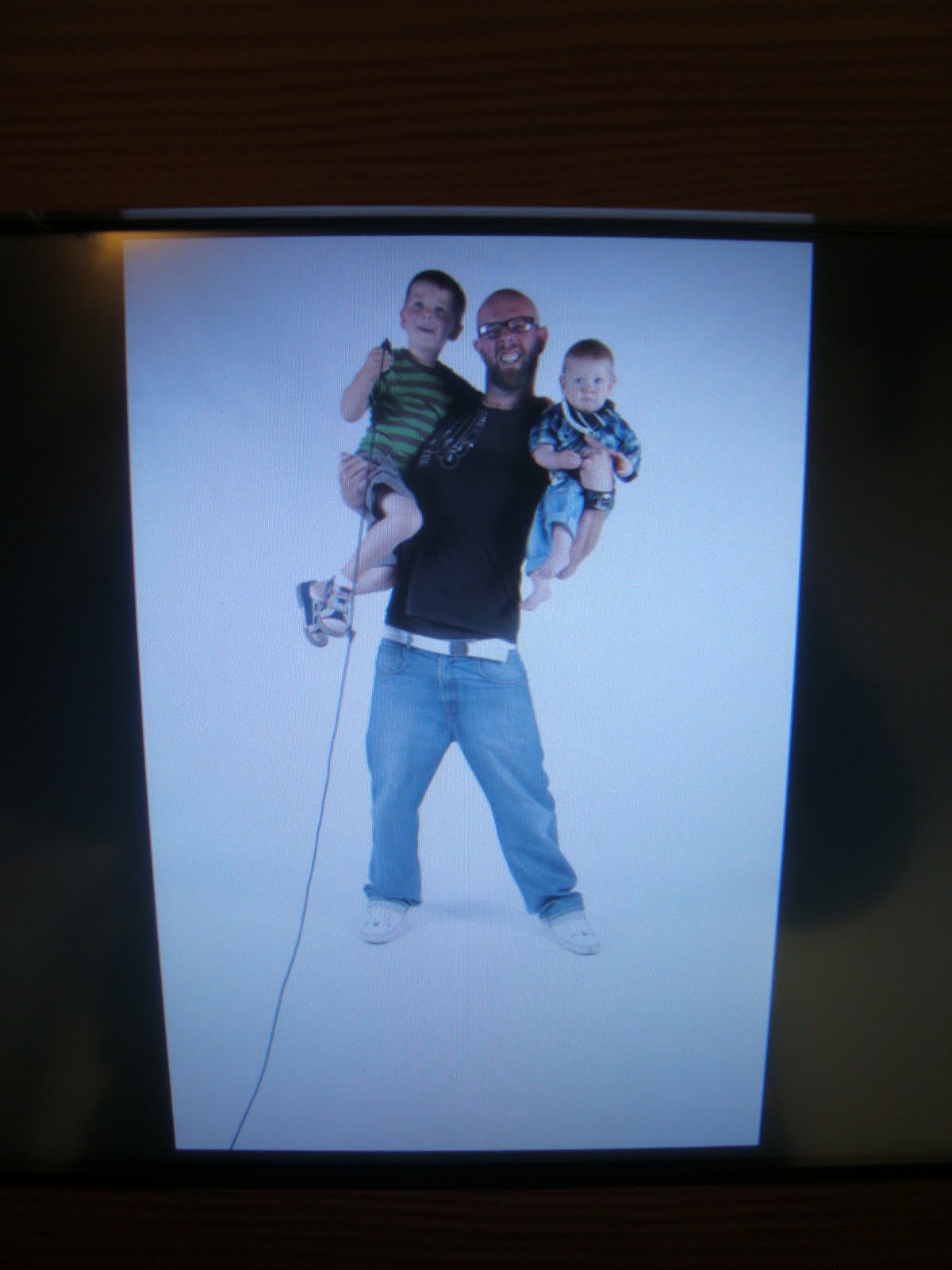
The next two photographs were taken from mine and Rachel's favoutie exhibit within the gallery. As a result of the developed technology, we were able to create a life size performance/animation. One person selects a prop from the table, and the other person waits in front of the screen waiting for the chosen prop to appear and strikes a pose with it. We had so much fun! It's such a great and innovative way of getting visitors to participate within the art in which they can see the outcomes that they have produced instantly.


The gallery truly is a place where visitors of all ages can interact with and engage with art by exploring, creating, investigating, and experimenting. These processes play a significant part when teaching art, and when providing children with opportunities to develop and grow as confident artists. The environment of The Public is definately one which can nurture creativity and imagination - core skills for any person to have across all fields and professions. Fisher (2004, p.8) explains, "To create is to generate something. Generating outputs such as ideas, experiments and innovations is a necessary part of creative effort."
References:
Fisher, R. (2004) Unlocking Creativity: Teaching across the Curriculum. London: David Fulton Publishers Ltd.